Short answer: Guanacaste and the Nicoya Peninsula are the most internationally visible hospitality market in Costa Rica, with their own international airport, a strong sun and beach demand and the widest range of hotels in the country. That visibility brings capital and competition. The buyers who do well here check water, zoning and the maritime zone first, and the view second.
By Tara Nowacki and Daniel Chavarria, CHN Hospitality Partners
Two markets on one coast
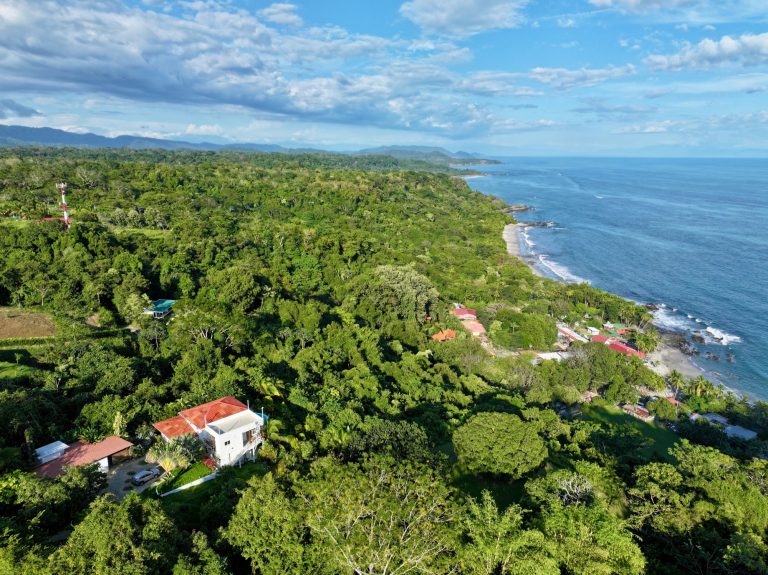
Guanacaste’s northern coast, from the Papagayo gulf down past Tamarindo, is the established resort coast: branded resorts, beach hotels and the services that come with them, a road transfer from Liberia airport. The Nicoya Peninsula further south, around Nosara, Sámara, Santa Teresa and the southern beaches, is smaller in scale and built on surf, wellness and yoga, with guests who stay longer and look for character.
They share an airport and a dry season, but they are different businesses. A Papagayo resort lives on group business, packages and brand distribution; a Nosara wellness hotel lives on reputation, retreats and repeat guests.
Who the guests are
- North American and European leisure travellers on beach holidays.
- Families, golfers and surfers.
- A large wellness and yoga market around Nosara and the southern Nicoya beaches.
- Canadians in particular: Liberia is their main gateway into Costa Rica.
- Costa Ricans from the Central Valley on long weekends and holidays.
The ICT figures for 2025 show how different this door into the country is. 86.7% of visitors leaving through Daniel Oduber Quirós International Airport (LIR) did sun and beach activities, and 30.9% had bought a package in their home country, against 15.5% at Juan Santamaría (SJO). They stayed 8.0 nights on average and spent USD 2,124.4 per person. (ICT, Encuesta Aérea de No Residentes 2025.)
What kind of hotel fits
The widest range in the country, which is both the opportunity and the challenge. Four profiles appear most on the market:
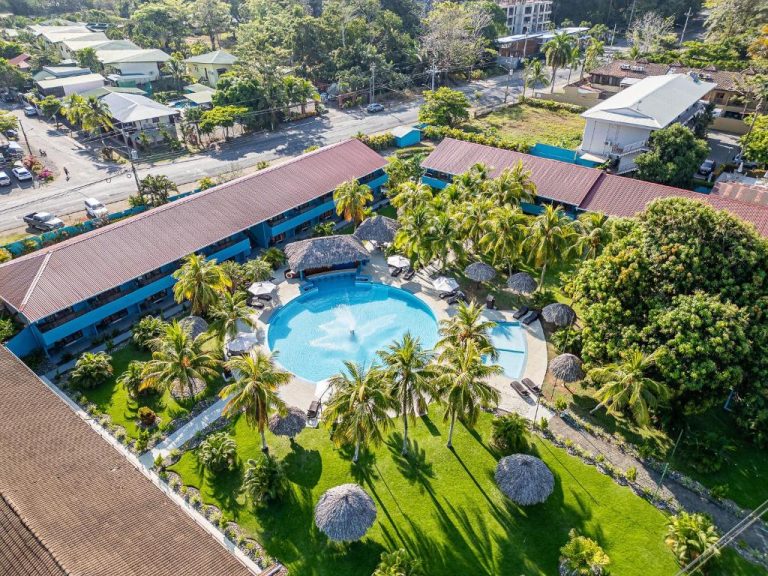
- The branded or independent resort. Group business, packages and a full service operation. Suits a buyer who will appoint a general manager and work with a brand or operator.
- The boutique beach hotel. Small, design led, direct bookings and strong reviews. Suits an owner operator or a small investor group.
- The wellness retreat. Yoga, surf and retreat programmes, mostly on the Nicoya Peninsula. The business depends on the programme and the people behind it as much as on the building.
- Coastal development land. For a new hospitality project, with a longer horizon and a permitting path to plan.
Access
Daniel Oduber Quirós International Airport (LIR) near Liberia puts much of Guanacaste within a road transfer. It received 904,762 international air arrivals in 2025, roughly a third of the country’s total, and it is the main gateway for Canadians: 173,618 of them landed there, against 86,726 at SJO. (ICT, Anuario Estadístico de Turismo 2025.)
Parts of the Nicoya Peninsula are slower to reach, by unpaved roads or by domestic flight to local airstrips. For a hotel there, the last hour of the journey shapes the guest profile as much as the beach does.
Seasons
Guanacaste follows the classic Pacific pattern: a pronounced dry season from roughly December to April, and a green season that is quieter, especially on the northern coast. Wellness and surf destinations on the Nicoya Peninsula flatten the curve somewhat, because their guests come for the programme and the waves rather than the weather. Model the green months, not the average.
What to check before you buy
The standard file for an operating hotel in Costa Rica applies here too. In this region, four points deserve more time than elsewhere.
1. Water. A written water availability letter from the provider is the first document to ask for, before any plan for expansion. In a dry region, water decides what can be built and operated.
2. Zoning and the maritime zone. Check the local zoning plan (plan regulador) and, near the shore, whether the land is titled or held under a concession under the maritime zone law (Ley 6043). Check it for each property; never assume it from the map or the listing.
3. Environmental viability. Anything built or planned needs environmental viability from SETENA. Ask for the file, not a summary.
4. For development land: road access, utilities and the realistic permitting path, with the time and cost of each step.
On our register in Guanacaste and Nicoya
Our listings in this region, by CHN code, town and key count. A key is a rentable unit.
- CHN-016: resort and spa, Nosara, 36 keys.
- CHN-017: estancia and private wetlands reserve, Nicoya Peninsula, key count under NDA.
- CHN-023: oceanfront development land, Guanacaste North Pacific.
- CHN-015: beach hotel, Guanacaste, 60 keys (silent listing).
See every current listing in Guanacaste and Nicoya. Silent listings show only the region and the key count, because their owners prefer not to be found. We disclose the identity only after registration and a signed NDA for the specific asset.
How to start
Compare before you choose. Guanacaste is often the first region buyers look at, and not always the one they buy in. Read Where to Invest in Costa Rica Hospitality: The Regions Compared, then come and see it: our scouting trip gives you a written itinerary. When you know what you are looking for, register as a buyer and tell us your mandate.
Frequently asked questions
Is Guanacaste a good place to invest in a hotel?
For a buyer who wants international air access, strong beach demand and a wide choice of assets, yes. It is also the most competitive region in the country, so the margin is made in the diligence: water, zoning, maritime zone status and the real numbers.
What is the difference between Guanacaste and the Nicoya Peninsula for a hotel?
Northern Guanacaste is the established resort coast, a road transfer from Liberia airport, with resorts, packages and group business. The Nicoya Peninsula is smaller in scale, slower to reach and built on surf, wellness and longer stays.
Which airport serves Guanacaste?
Daniel Oduber Quirós International Airport (LIR) near Liberia. It received 904,762 international air arrivals in 2025, according to the ICT, and is the main gateway for Canadian visitors.
What should I check before buying coastal land in Guanacaste?
Water availability in writing, the local zoning plan, whether the land is titled or a maritime zone concession under Ley 6043, environmental viability from SETENA, road access, utilities and the realistic permitting path.
Can foreigners buy a hotel in Guanacaste?
Foreigners can generally own titled property and companies in Costa Rica. Land in the maritime zone is held under concession and has its own rules on foreign participation, so every coastal asset needs its status checked on the documents. Take legal advice for your structure.
CHN Hospitality Partners is an intermediary in hospitality businesses in Costa Rica, not a real estate agency. We work in hospitality only: operating hotels, lodges and resorts, non-operating hotel properties, commercial development land for hospitality projects, and joint venture opportunities. No houses, no vacation rentals. Every asset on our register appears at invest-costarica.com under its CHN reference code: public listings show the destination and the verified facts the owner allows, silent listings show only a key count and a regional pin. The property’s identity is disclosed only after buyer registration and a signed NDA for that specific asset. Register at invest-costarica.com, or write to tara@invest-costarica.com.
General orientation only. Not legal, tax or investment advice.
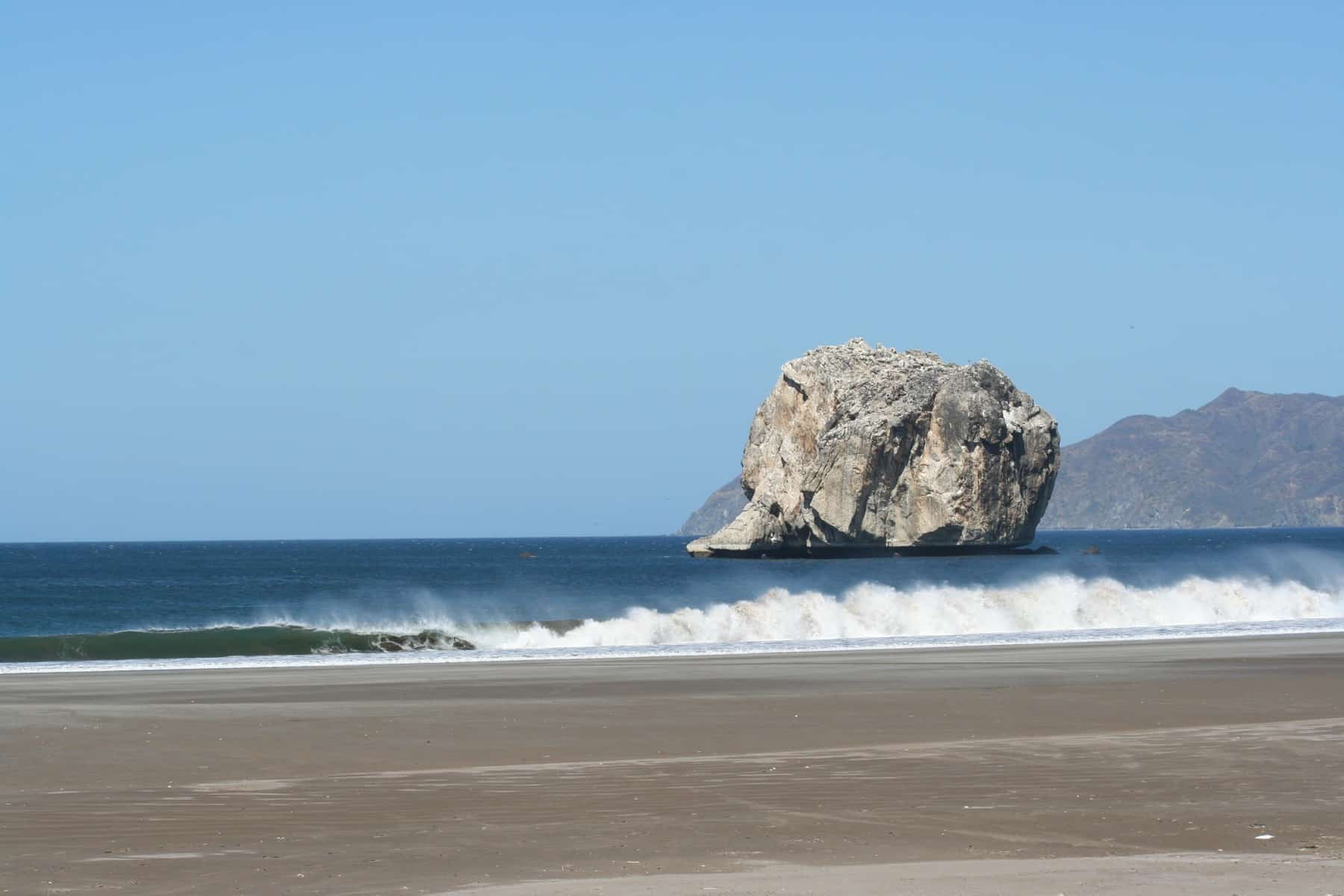
Photo: Roca Bruja, Guanacaste, by dog4aday, CC BY 2.0, via Wikimedia Commons.
Keep reading