Short answer: Costa Rica is not one hotel market but at least seven, and the region you choose decides who your guests are, how they reach you and when your year is busy. Start by matching the region to the kind of hotel you want to own and the life you want to live, then look at properties; the scouting trip exists for exactly that first step.
By Tara Nowacki and Daniel Chavarria, CHN Hospitality Partners
How to read this comparison
Every region below follows the same five questions:
- Who visits. The guest mix shapes rate, length of stay and how bookings arrive.
- What kind of hotel fits. Some regions reward a small owner operated lodge, others a resort with group business.
- Access. Which international airport, how far by road, whether a boat or small aircraft is part of the trip.
- Seasonality. Costa Rica has two coasts with different rain patterns. A national average hides the shape of any single region’s year.
- What to check when buying. The diligence points that matter most in that region, on top of the standard file.
At the end of each section we list the hotels, lodges and hospitality land on our register in that region, by CHN reference code, town and key count only. A key is a rentable unit. Public listings show the town; silent listings show only the region and the key count, because the owner has chosen not to be found. The full current list is always at Hotels for Sale in Costa Rica.
The figures in this article come from the Costa Rican Tourism Board (ICT) and cover 2025. We do not quote occupancy or hotel prices: no official source publishes them by region in a form we can verify, and we do not estimate.
Costa Rica tourism in figures
- International arrivals. Costa Rica received 2,943,991 international tourists in 2025, 0.8% more than in 2024. 91.3% arrived by air. (ICT, Anuario Estadístico de Turismo 2025.)
- Two gateways. Juan Santamaría International Airport (SJO) near San José received 1,783,761 international air arrivals in 2025, and Daniel Oduber Quirós International Airport (LIR) in Guanacaste 904,762: roughly two thirds and one third of the total. (ICT, Anuario 2025; shares calculated from the ICT figures.)
- Who comes. North America accounted for 1,999,600 arrivals in 2025, of which 1,627,807 from the United States and 274,081 from Canada. Europe accounted for 471,642, led by Germany (83,500), France (71,323) and the United Kingdom (70,354). (ICT, Anuario 2025.)
- Different airports, different guests. Visitors leaving through SJO in 2025 stayed 11.5 nights on average and spent USD 1,707.7 per person; 65.1% did ecotourism activities and 60.4% visited a national park or protected area. Visitors leaving through LIR stayed 8.0 nights and spent USD 2,124.4 per person; 86.7% came for sun and beach. (ICT, Encuesta Aérea de No Residentes 2025, Juan Santamaría and Daniel Oduber Quirós.)
What this means for an investor: the country’s demand arrives through two doors. Guanacaste lives on LIR and on beach holidays; most other regions, the Caribbean above all, are reached through SJO by visitors who stay longer and come for nature.
South Caribbean: Puerto Viejo, Cahuita and Manzanillo
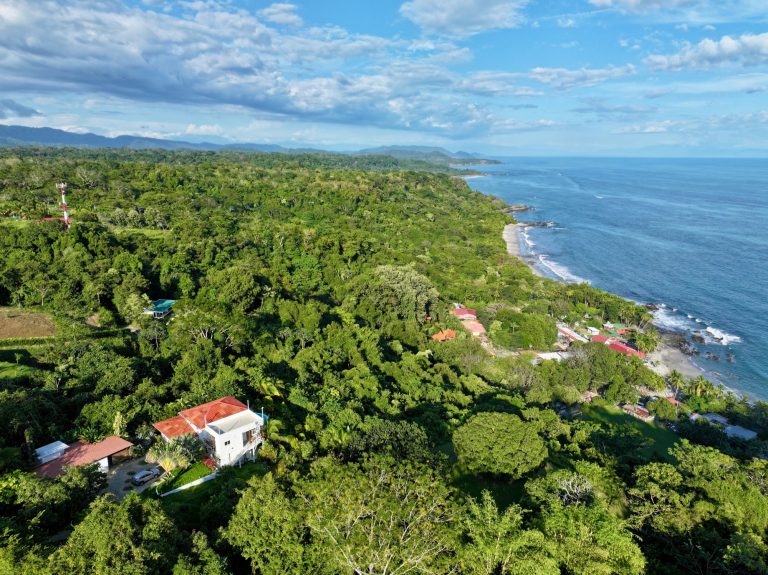
Who visits. Independent travellers, a strong European share (94.6% of Europeans who flew to Costa Rica in 2025 landed at SJO, the Caribbean’s gateway, calculated from ICT, Anuario 2025), long stay guests, surfers, families, and people who come for the food, the music and the Afro Caribbean and Bribri culture. Costa Ricans fill the coast on long weekends and holidays. Repeat and direct bookings matter more here than anywhere on the Pacific.
What kind of hotel fits. Boutique hotels, cabinas, villa hotels, eco lodges in the forest behind the beach, and a small number of larger beach and jungle resorts. Guests expect character and a sense of place more than a brand.
Access. By road from San José across the Braulio Carrillo mountains and down the coast through Limón. Most guests arrive through Juan Santamaría International Airport (SJO) and drive or take a shuttle; Limón’s international airport recorded 10 international arrivals in 2025 (ICT, Anuario 2025). The journey pushes length of stay up and day trip business down.
Seasonality. The Caribbean rain pattern does not follow the Pacific dry season. September and October, the wettest months on the Pacific, are often among the best on this coast, which gives Caribbean hotels a shoulder season the rest of the country does not have.
What to check when buying.
- Title and possession history, from the Registro Nacional and a current cadastral plan.
- Whether the land is titled, held under a concession, or within or next to a protected area such as Cahuita National Park or the Gandoca-Manzanillo Wildlife Refuge. Establish it from documents, never from the map: being on the coast says nothing about status.
- Drainage, flooding and road access in heavy rain.
- Labour records for long serving staff, since accrued liabilities transfer with the business.
- The real channel mix, and how much of it depends on the founder personally.
On our register in this region:
- CHN-011: eco lodge, Puerto Viejo, 25 keys.
- CHN-012: boutique villa hotel, Puerto Viejo, 9 keys. The property has 12 bedrooms in total; units outside the rental operation, including the owner residence, count as bedrooms and not as keys until they are converted.
- CHN-025: self catering hotel, Manzanillo, 8 keys.
- CHN-009: boutique hotel, South Caribbean, 36 keys (silent listing).
- CHN-010: beach and jungle resort, South Caribbean, 51 keys (silent listing).
Tara works on this coast more than anywhere else. For a closer look, read Investing in a Hotel on Costa Rica’s Caribbean Coast.
North Caribbean: Tortuguero
Who visits. Nature travellers, birders, photographers, families and tour groups who come for the canals, the national park and the sea turtles that nest on the beach.
What kind of hotel fits. Canal front jungle lodges with a restaurant, guided boat and walking tours, and packages that include meals and transfers. Guests stay a few nights and expect to be fully hosted.
Access. There is no road into Tortuguero. Guests arrive by boat through the canals or by small aircraft to the local airstrip. Every supply, from food to building materials, travels the same way, which shapes operating cost and capital projects.
Seasonality. Turtle nesting drives the peak, and the Caribbean rain pattern again differs from the Pacific. Tour operator programmes set much of the calendar.
What to check when buying.
- How much of the occupancy comes through tour operators and receptive agencies, and whether those relationships are contractual or personal.
- Boat fleet, dock, fuel and maintenance, and who holds the transport permits.
- Water, power and waste systems in a place with no road.
- The property’s position relative to the national park and any protected area boundary.
On our register in this region:
- CHN-008: jungle lodge, Tortuguero, 12 keys.
Guanacaste and the Nicoya Peninsula
Who visits. North American and European leisure travellers on beach holidays (86.7% of visitors leaving through LIR in 2025 did sun and beach activities, and 30.9% had bought a package in their home country, against 15.5% at SJO; ICT, Encuesta Aérea de No Residentes 2025), families, golfers, surfers, and a large wellness and yoga market around Nosara and the southern Nicoya beaches. This is the most internationally visible part of Costa Rican tourism.
What kind of hotel fits. The widest range in the country: branded resorts on the Papagayo gulf, independent resorts and spas, boutique beach hotels, wellness retreats, and coastal land for new hospitality projects.
Access. Daniel Oduber Quirós International Airport (LIR) near Liberia puts much of Guanacaste within a road transfer. It received 904,762 international air arrivals in 2025, and it is the main gateway for Canadians: 173,618 of them landed there, against 86,726 at SJO (ICT, Anuario 2025). Parts of the Nicoya Peninsula are slower to reach, by unpaved roads or by domestic flight to local airstrips.
Seasonality. The classic Pacific pattern: a pronounced dry season from roughly December to April, and a green season that is quieter on the northern coast. Wellness and surf destinations flatten the curve somewhat.
What to check when buying.
- Water. A written water availability letter from the provider is the first document to ask for, before any plan for expansion.
- The local zoning plan (plan regulador) and, near the shore, whether the land is titled or a concession under the maritime zone law (Ley 6043). Check it for each property; never assume it.
- Environmental viability from SETENA for anything built or planned.
- For development land, road access, utilities and the realistic permitting path.
On our register in this region:
- CHN-016: resort and spa, Nosara, 36 keys.
- CHN-017: estancia and private wetlands reserve, Nicoya Peninsula, key count under NDA.
- CHN-023: oceanfront development land, Guanacaste North Pacific.
- CHN-015: beach hotel, Guanacaste, key count under NDA (silent listing).
Central and South Pacific
Who visits. On the beaches closest to the capital and around Manuel Antonio, a mix of international visitors and Costa Ricans from the Central Valley on weekends, drawn by beaches and the national park. Further south, around Dominical, Uvita and Ojochal, surfers, wellness travellers, families and whale watchers.
What kind of hotel fits. Beach resorts and beachfront hotels close to the capital, boutique and wellness hotels on the hills above the southern beaches, and some waterfront and mixed use hospitality.
Access. The most direct coast from San José by road, which makes the central Pacific a weekend market for Costa Ricans as well as an international one. The south is a longer drive along the coastal highway.
Seasonality. Pacific pattern, with a dry season early in the year and the heaviest rain in the autumn. Humpback whales visit the southern coast in two seasons a year, which helps the green months there.
What to check when buying.
- Competition and supply: the central Pacific is the most mature coast, and new rooms affect rate.
- The national market’s share of demand and how it moves with Costa Rican holidays.
- Slope stability, drainage and access roads for hillside properties in the south.
- Maritime zone and environmental status, checked property by property.
On our register in this region:
- CHN-003: beach resort, Central Pacific, 80 keys (silent listing).
- CHN-014: beachfront hotel, Central Pacific, key count under NDA (silent listing).
- CHN-021: waterfront hotel, Puntarenas province, 32 keys (silent listing).
- CHN-018: hospitality asset, Pacific coast, Puntarenas province, key count under NDA (silent listing).
Osa and Golfo Dulce
Who visits. Naturalists, divers, researchers, photographers and high spend adventure travellers, many of them coming for Corcovado National Park and the Golfo Dulce. Stays are long and fully hosted.
What kind of hotel fits. Remote lodges and small eco lodges, often off grid, with guides, meals and activities included. The assets are few and hard to replicate.
Access. Domestic flights to the airstrips at Puerto Jiménez and Drake Bay, boat transfers, and long road journeys. Remoteness raises operating cost and supports higher rates at the same time.
Seasonality. One of the wettest parts of the country. Some lodges close or slow down in the heaviest months, so model the trough, not the average.
What to check when buying.
- Independent utilities: solar, generators, water capture and treatment, and their replacement schedule.
- Boat and airstrip dependence, and what each costs through a rainy season.
- Protected forest, river setbacks and the forest law (Ley Forestal 7575) for any new building.
- Guide and staff retention, and how much of the booking flow would survive the founder’s departure.
On our register in this region:
- CHN-006: rainforest lodge, South Pacific and Osa, 10 keys.
Arenal and the northern plains
Who visits. Travellers on the classic first visit circuit that combines the volcano, hot springs, hanging bridges and Lake Arenal with a beach. Tour operators and independent travellers both. Further north and east, around the Tenorio volcano, Sarapiquí and the plains, the market is quieter and more nature focused.
What kind of hotel fits. Eco lodges, boutique hotels and mid size hotels with volcano views, hot spring hotels, and mountain lodges near the national parks.
Access. By road from either international airport, SJO or LIR. La Fortuna is one of the best connected inland destinations in the country.
Seasonality. Rain falls through much of the year on this side of the mountains, so the area relies less on a single dry season and more on the steady circuit traffic.
What to check when buying.
- How much of the business comes through the tour operator circuit, and the terms of those allocations.
- Supply growth in La Fortuna and its effect on rate.
- Hot spring water rights or concessions, where the product depends on them.
- Volcano risk zoning and protected area boundaries.
On our register in this region:
- CHN-004: eco lodge, Arenal volcano region, 20 keys.
- CHN-019: boutique hotel, Arenal volcano, 14 keys (silent listing).
- CHN-007: mountain eco lodge, Tenorio region, 18 keys.
Monteverde, the mountains and the Central Valley
Who visits. In Monteverde and the cloud forests, birders, students, families and circuit travellers coming for the reserves. In the Central Valley highlands, nature and wellness travellers, and guests spending their first or last night near the airport. In San José, business travellers and visitors passing through the capital.
What kind of hotel fits. Cloud forest hotels and resorts, mountain lodges, small eco lodges with private forest, and boutique city hotels in San José.
Access. Monteverde is reached by mountain roads from the Pacific side. The Central Valley highlands and San José are the closest hospitality markets to SJO.
Seasonality. Mountain weather is cooler and often misty, and the circuit keeps demand moving through the year. City hotels follow business travel more than the holiday calendar.
What to check when buying.
- Water sources and permits for properties above the valley.
- Building maintenance in a humid climate: roofs, timber, drainage.
- Group and tour operator business for larger cloud forest hotels.
- Protected forest and the forest law where land includes private reserve or forest.
On our register in this region:
- CHN-013: cloud forest resort, Puntarenas province, 155 keys (silent listing).
- CHN-001: cloud forest hotel, Alajuela province, 35 keys (silent listing).
- CHN-020: mountain lodge, Central Valley, 12 keys (silent listing).
- CHN-022: eco lodge, Central Valley, 10 keys (silent listing).
- CHN-002: eco lodge development, Central Valley highlands, 6 existing cabins.
- CHN-005: boutique city hotel, San José, 28 keys (silent listing).
The checks that apply in every region
Whatever the region, the standard file for an operating hotel in Costa Rica includes: a registry study and cadastral plan, the municipal business licence (patente), the health operating permit, the employer’s standing with the CCSS, the tax returns, the ICT tourism declaration (Declaratoria Turística) where the hotel holds one, and the real profit and loss rather than the owner’s summary. Our due diligence guide and our guide from first contact to LOI explain the process step by step.
Where to start
- Decide the life before the asset. Owner operator on the Caribbean, absentee owner of a managed resort in Guanacaste, or a lodge in the forest: these are different businesses.
- See the regions. A scouting trip with a written itinerary saves months of looking in the wrong place.
- Write your mandate. Asset type, region, budget, structure and timeline. Advisors match a written mandate against their register.
- Register and sign an NDA for the specific asset you want to see. Only then do we disclose its identity.
Frequently asked questions
Which region of Costa Rica is best for a hotel investment?
There is no single best region. Guanacaste has the strongest international air access and the widest range of resorts; the Caribbean has generally lower entry prices and a distinct, loyal guest mix; Arenal sits on almost every visitor’s route; Osa and Tortuguero offer rare, hard to replicate lodges. The right region is the one that fits the hotel you want to run.
Is the Caribbean coast a good place to invest in a hotel?
Yes, for buyers who value character, direct bookings and a different season from the Pacific, and who will be present or have strong local management. It is the least institutional market in the country, so diligence on title, status and records matters more.
Where do I start if I want to invest in tourism in Costa Rica?
Start with the region, not the property. Spend time on the ground, compare two or three regions, then write a mandate and work with an advisor who holds confidential listings. Our scouting trip is designed for that stage.
Can foreigners buy a hotel in Costa Rica?
Foreigners can generally own titled property and companies in Costa Rica. Land in the maritime zone is held under concession and has its own rules on foreign participation, so every coastal asset needs its status checked on the documents. Take legal advice for your structure.
How do I see the hotels behind your silent listings?
Register as a buyer, tell us your mandate, and sign an NDA for the specific asset. We disclose the identity, the file and the figures only after that.
CHN Hospitality Partners is an intermediary in hospitality businesses in Costa Rica, not a real estate agency. We work in hospitality only: operating hotels, lodges and resorts, non-operating hotel properties, commercial development land for hospitality projects, and joint venture opportunities. No houses, no vacation rentals. Every asset on our register appears at invest-costarica.com under its CHN reference code: public listings show the destination and the verified facts the owner allows, silent listings show only a key count and a regional pin. The property’s identity is disclosed only after buyer registration and a signed NDA for that specific asset. Register at invest-costarica.com, or write to tara@invest-costarica.com.
General orientation only. Not legal, tax or investment advice.
Keep reading