Short answer: Osa and the Golfo Dulce are where Costa Rica is at its wildest, and the lodges here are few and hard to replicate. That scarcity is the investment case. The other side is remoteness: independent utilities, boats and airstrips, one of the wettest climates in the country and a business that often depends on its founders. Buy the operation, not only the forest.
By Tara Nowacki and Daniel Chavarria, CHN Hospitality Partners
A region built on Corcovado
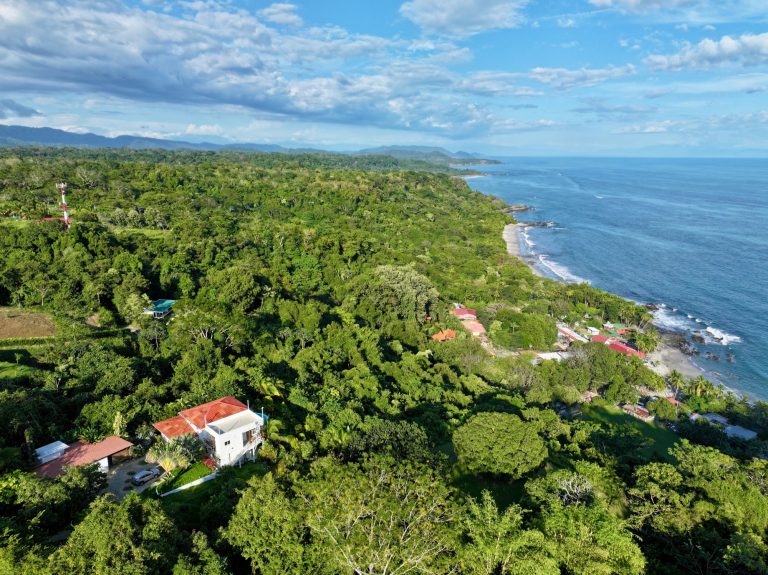
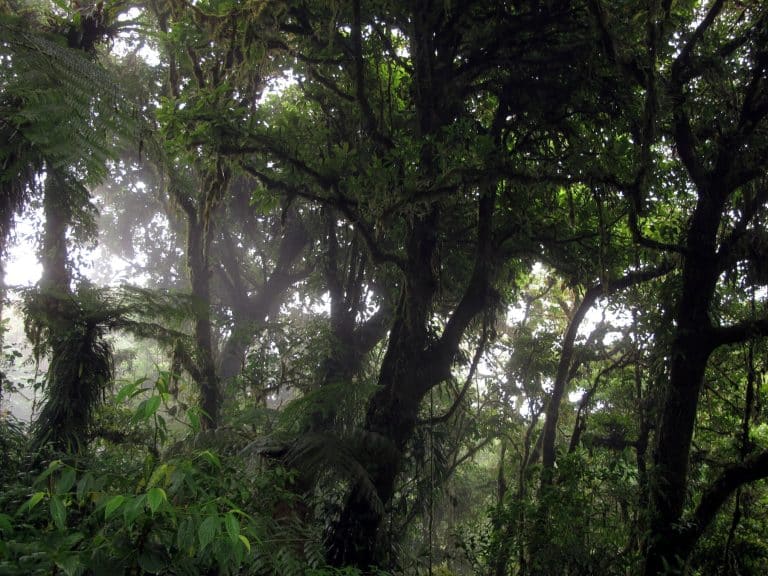
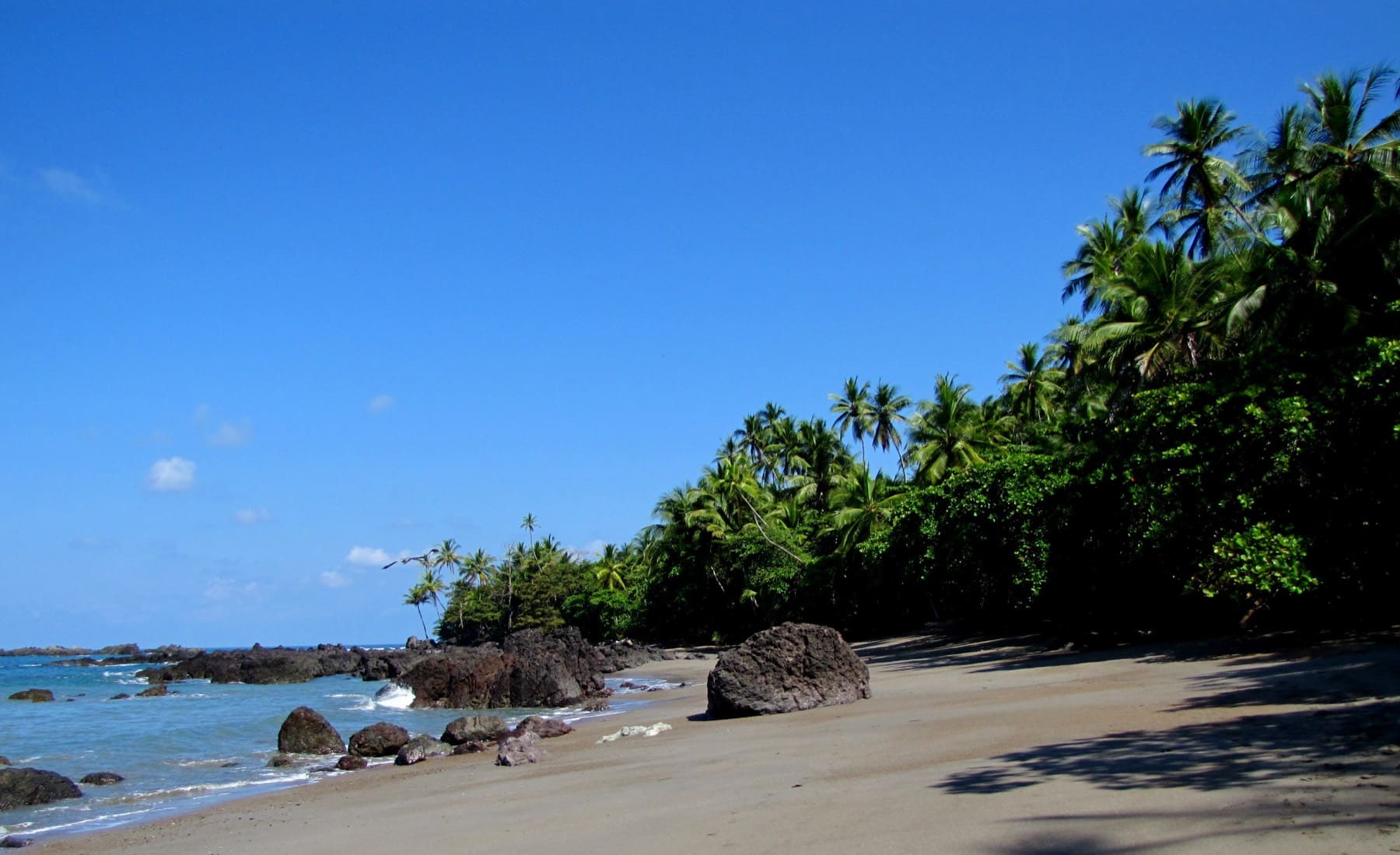
The Osa Peninsula, in Costa Rica’s far south west, is home to Corcovado National Park, one of the most biologically intense places in the country. Across the water lies the Golfo Dulce, a deep tropical gulf with rainforest down to the shore. Puerto Jiménez, Drake Bay and the small communities around the gulf are the bases; between them, much of the land is forest, reserve and coastline without roads.
The hospitality here is shaped by that landscape: small lodges, often off grid, where guests come for the forest and the sea and stay to be fully hosted.
Who the guests are
- Naturalists, birders and photographers coming for Corcovado and its wildlife.
- Divers and snorkellers, for Caño Island and the gulf.
- Researchers and students.
- High spend adventure travellers and couples looking for a remote lodge.
Stays are long and fully hosted, with meals, guides and activities included. Most international guests arrive through Juan Santamaría International Airport (SJO), where 60.4% of departing visitors in 2025 had visited a national park or protected area and 65.1% did ecotourism activities. (ICT, Encuesta Aérea de No Residentes 2025, Juan Santamaría.) Osa is where that guest goes furthest.
What kind of hotel fits
- The remote rainforest lodge. Small, full board, guided, often off grid. The product is the place and the people who guide it.
- The small eco lodge. A handful of cabins with private forest, suited to an owner operator who wants to live there.
- The lodge with land. Forest and space beyond the operation, subject to the forest law and permits for anything new.
The assets are few. Protected areas, the forest law and the cost of building in a roadless place mean that existing, permitted lodges are hard to replicate, and that is what a buyer pays for.
Access
Domestic flights to the airstrips at Puerto Jiménez and Drake Bay, boat transfers across the gulf and along the coast, and long road journeys from the Central Valley. Remoteness raises the operating cost and supports higher rates at the same time. It also filters the guests: the people who make the journey come for this place and no other.
Seasons
Osa is one of the wettest parts of the country. Some lodges close or slow down in the heaviest months, usually in the autumn. Model the trough, not the average, and ask how the property and its access perform in the rain.
What to check before you buy
The standard file for an operating hotel in Costa Rica applies here too. In Osa, four points deserve more time than anywhere else.
1. Independent utilities. Solar, generators, water capture and treatment, and wastewater: their condition, capacity and replacement schedule. Off grid is a selling point and a capital budget.
2. Boats and airstrips. How the lodge depends on boat transfers or flights, who owns the boats and holds the permits, and what each costs through a rainy season.
3. Forest and protected areas. The property’s position relative to Corcovado and other protected areas, river setbacks, and the forest law (Ley Forestal 7575) for any new building.
4. People. Guide and staff retention, and how much of the booking flow, the reviews and the relationships would survive the founder’s departure.
On our register in Osa and the Golfo Dulce
Our listings in this region, by CHN code, area and key count. A key is a rentable unit.
- CHN-006: rainforest lodge, South Pacific and Osa, 10 keys.
See every current listing in Osa and the Golfo Dulce. Owners in this region often prefer discretion; we disclose a property’s identity only after registration and a signed NDA for the specific asset.
How to start
Go there, in the green season if you can. A lodge in Osa is a way of life as much as an investment, and a few nights on site tell you whether it is yours. Read Where to Invest in Costa Rica Hospitality: The Regions Compared, plan a scouting trip, and register as a buyer to see what is on our register.
Frequently asked questions
Is Osa a good place to invest in a lodge?
For a buyer who wants a rare, hard to replicate asset and accepts the cost of remoteness, yes. The lodges are few, the guests are committed and the setting is unique. The diligence has to cover utilities, access, the forest law and the people who run the place.
How do guests reach a lodge in Osa?
By domestic flight to the airstrips at Puerto Jiménez or Drake Bay, by boat across the Golfo Dulce or along the coast, or by a long road journey from San José. Many lodges include transfers in their packages.
Do lodges in Osa close in the rainy season?
Some do, or slow down, in the heaviest months, usually in the autumn. A buyer should model the year with that trough in it rather than an annual average.
Can I build more cabins on a lodge property in Osa?
Possibly, but it depends on the land’s status, protected areas nearby, river setbacks and the forest law. Check the permitting path on the documents before you pay for the potential.
How do I see the hotels behind your silent listings?
Register as a buyer, tell us your mandate, and sign an NDA for the specific asset. We disclose the identity, the file and the figures only after that.
CHN Hospitality Partners is an intermediary in hospitality businesses in Costa Rica, not a real estate agency. We work in hospitality only: operating hotels, lodges and resorts, non-operating hotel properties, commercial development land for hospitality projects, and joint venture opportunities. No houses, no vacation rentals. Every asset on our register appears at invest-costarica.com under its CHN reference code: public listings show the destination and the verified facts the owner allows, silent listings show only a key count and a regional pin. The property’s identity is disclosed only after buyer registration and a signed NDA for that specific asset. Register at invest-costarica.com, or write to tara@invest-costarica.com.
General orientation only. Not legal, tax or investment advice.
Photo: Corcovado National Park, by José R., CC BY 3.0, via Wikimedia Commons.
Keep reading