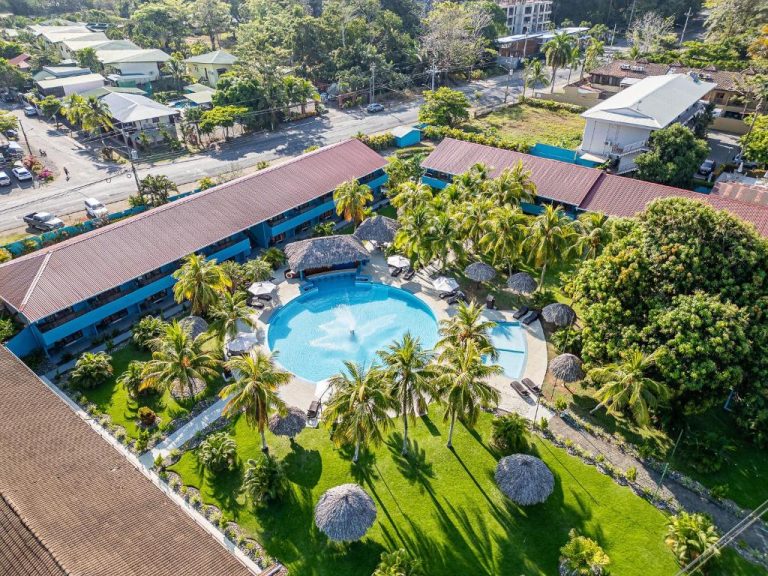
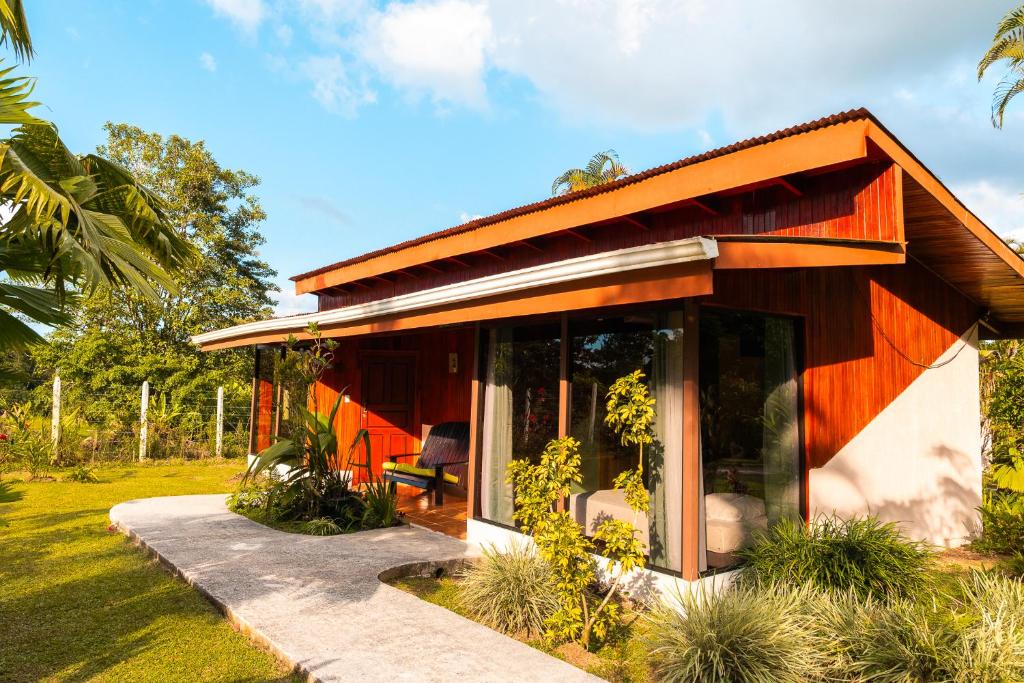
A well-chosen hotel can anchor an investment strategy; a complementary portfolio can create opportunities to build value across several properties. Boutique hotel investment in Costa Rica gives family offices and private equity investors a compelling market to evaluate, combining a premium tourism identity with diverse destinations and experience-led hospitality. The opportunity lies in selecting assets that work together, strengthening their operations, and balancing growth ambitions with disciplined capital management.
Within the broader Caribbean and Central American investment landscape, Costa Rica deserves a priority position on the shortlist. Its appeal rests on a combination of institutional stability, international connectivity, and differentiated tourism experiences. Premium positioning creates an opportunity for attractive economics; realizing that opportunity requires careful acquisition pricing, capital allocation, and execution.

Why Costa Rica Deserves a Priority Position
Costa Rica’s competitive proposition aligns with investors seeking differentiated hospitality businesses. PROCOMER’stourism investment platform highlights legal stability, connections to major visitor markets, hospitality talent, and diverse destinations as pillars of the country’s investment appeal.
Recent official reporting adds substance to the demand story. In April 2026, PROCOMER reported that Costa Rica welcomed 959,738 tourists by air during the first quarter, an increase of 12.9% over the same period in 2025. The release also cited an average visitor stay of 12.2 nights and a repeat-visit rate approaching 40%, drawing on ICT data. These are national demand indicators, rather than forecasts for an individual hotel.
For a portfolio owner, the opportunity is to translate destination appeal into property-level performance: a clearly defined guest proposition, effective distribution, and an operating model that retains value after costs.
Premium Positioning and the Margin Opportunity
Investors comparing boutique hotel margins in Central America need consistent definitions. A strong average daily rate does not automatically produce a strong operating margin.
Compare properties after normalizing payroll, utilities, distribution commissions, maintenance, insurance, and management costs. Replace unpaid owner labor with a realistic management expense. Separate recurring operating performance from deferred refurbishment and exceptional income.
Costa Rica’s premium positioning can support pricing power when the experience justifies the rate. However, a claim that its hotels consistently achieve higher margins than Caribbean or regional competitors requires comparable property-level evidence.
The investment case becomes stronger when buyers can identify how a property will protect its earnings: better channel mix, thoughtful pricing, reliable service, or cost efficiencies that preserve the guest experience.
Build a Portfolio Around Complementary Demand
Effective hospitality asset allocation begins with understanding the role of each acquisition.
A coastal boutique hotel might attract leisure travelers seeking extended relaxation. A mountain property could appeal to nature-focused itineraries. A Caribbean hotel may offer a distinct cultural and coastal experience, while an airport-accessible property can serve the beginning or end of a journey.
These combinations should be tested against actual booking patterns. Different locations do not necessarily mean different risks. Properties may depend on the same source markets, airlines, intermediaries, or holiday periods.
A credible portfolio model examines monthly demand, guest origins, booking windows, and channel concentration together. The ICT’s visitor demographics and traveler profiles provide a starting point for understanding who visits Costa Rica and how their travel characteristics differ.

Experiences as a Commercial Differentiator
Demand for distinctive travel experiences is central to Costa Rica’s positioning. PROCOMER’s 2026 boutique-hotel investment promotion explicitly connects growing interest in differentiated experiences with sustainability, efficient operations, and local community relationships.
For hotel owners, this creates opportunities to build a more compelling stay through guided wildlife observation, cultural encounters, gastronomy, and outdoor activities.
Enchanting Experiences illustrates the range of nature, adventure, and cultural activities available through local suppliers. Such relationships can help a small hotel broaden its offering without owning every activity operation.
The economics still require scrutiny. Model the hotel’s retained commission or contribution after supplier payments and coordination costs, not the full retail value of an excursion. Evaluate whether the experience improves guest satisfaction, differentiation, and commercial performance.
Scale the Systems While Preserving Character
A successful small-medium hotel investment strategy combines shared discipline with property-level individuality.
Centralized revenue management, reporting, digital marketing, procurement, and financial controls can support several hotels. Meanwhile, each property should retain the design, dining, team relationships, and destination knowledge that give guests a reason to choose it.
Standardize the information investors need: occupancy, average daily rate, revenue per available room, operating profit, maintenance requirements, and cash flow. Use consistent accounting policies so comparisons reveal genuine differences.
Then evaluate management capacity. An acquisition pipeline is valuable only if the operating platform can integrate new properties without weakening existing ones.
Underwrite Returns After Capital Requirements
Assessing Costa Rica luxury hospitality ROI requires more than applying a multiple to reported earnings.
A complete investment model should include acquisition costs, transaction expenses, working capital, refurbishment, replacement reserves, financing, and the cost of building the management platform.
Test downside scenarios involving weaker occupancy, slower rate growth, higher operating costs, or delayed improvements. Review foreign-exchange exposure where revenues, expenses, and debt are denominated differently.
Due diligence should also address title or concession arrangements, land use, water availability, wastewater systems, permits, employment obligations, and environmental requirements. Assign clear responsibility for resolving findings before closing.
For family offices, this supports stewardship and capital preservation. For private equity, it makes the operational value-creation plan more measurable and the eventual exit proposition more credible.

Use PROCOMER and ICT Early
Institutional engagement should begin during feasibility assessment.
Explore PROCOMER’s tourism infrastructure investment resources for sector information and investment facilitation. The ICT’s investment team provides guidance for investors considering hotel acquisitions and other tourism projects.
For incentives, review the ICT’s Tourism Contract requirements. Tourism benefits depend on eligibility, approvals, and applicable obligations. Buyers should verify the treatment of a specific acquisition, refurbishment, or expansion rather than assume benefits apply automatically.
Turn Destination Strength into Portfolio Value
Costa Rica offers a persuasive foundation for premium boutique hospitality investment. Building wealth from that foundation requires acquiring the right assets, preserving their appeal, and improving the systems behind the experience.
Explore hotel investment opportunities with Invest Costa Rica and discuss your acquisition criteria, operating strategy, and investment horizon. Begin with the official ICT demand data and PROCOMER resources, then assess each opportunity against a disciplined portfolio plan.
Keep reading