Boutique Hotel Portfolio Strategy: Building Long-Term Value in Costa Rica’s Hospitality Market
A traveler’s Costa Rica journey might begin near a volcano, continue through a cloud forest, and end beside the Caribbean Sea. Each stop offers a different experience—and requires a different kind of hotel. For hospitality investors, that variety raises an interesting possibility: building a collection of complementary properties within one country.
A boutique hotel portfolio strategy in Costa Rica begins with understanding how those businesses fit together. A coastal retreat, a mountain lodge, and a villa hotel may appeal to different guests while sharing commercial expertise and operating systems. Long-term value comes from choosing carefully, investing appropriately, and preserving what makes each property worth visiting.
Why Costa Rica Makes an Interesting Portfolio Market
Costa Rica offers settings for hospitality concepts built around nature, wellness, adventure, culture, and coastal living. These experiences give smaller hotels opportunities to establish a recognizable identity rather than compete primarily on room inventory.
The country’s investment promotion reflects that direction. At ALIS CALA 2026, PROCOMER and the Costa Rican Tourism Institute (ICT) highlighted boutique hospitality projects integrating sustainability, efficient operations, and connections with local communities.
For an investor, the appeal lies in finding properties that translate a strong sense of place into a well-run business. The landscape may attract the first booking; service, maintenance, distribution, and financial discipline influence the value that follows.
Build a Portfolio Around Complementary Experiences
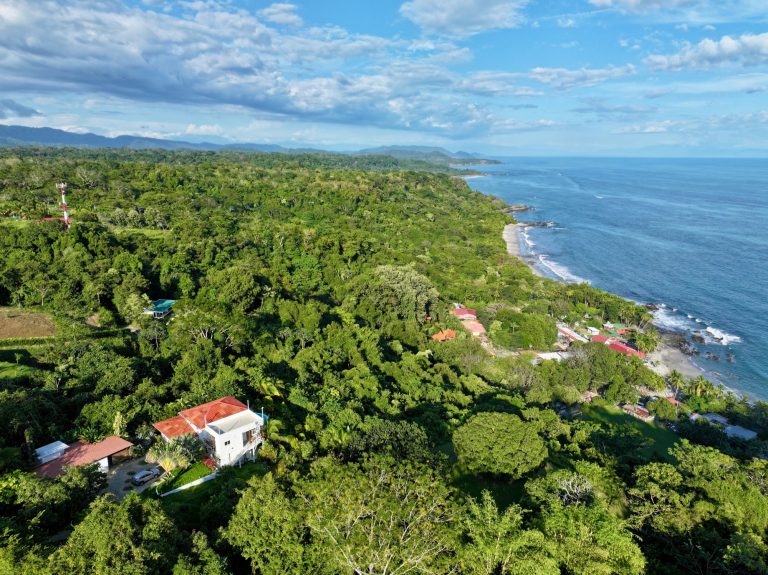
Imagine a portfolio combining a surf-oriented hotel in Guanacaste, a nature lodge in the northern mountains, and an intimate property on the Southern Caribbean coast.
The properties could offer different reasons to travel while creating opportunities for referrals and multi-destination itineraries. However, three locations do not automatically create three independent sources of demand.
Look Beyond the Map
Hotels in different regions may still depend on the same international markets, booking platforms, and holiday periods. Effective diversification requires examining monthly performance, guest origins, booking lead times, and travel motivations.
The ICT’s visitor profiles and market characterizations provide useful context for this analysis. Compare those findings with each property’s reservation records to understand who actually books, when they travel, and how long they stay.
For hotel portfolio acquisition in Costa Rica, the goal is a combination that serves a clear purpose. Another hotel should strengthen the strategy, rather than simply increase the number of keys.

Premium Positioning Must Translate into Profitability
An attractive room rate can reflect privacy, distinctive architecture, thoughtful service, or an exceptional natural setting. Yet a premium rate does not establish a premium margin.
Smaller properties may carry significant costs per occupied room. Staffing, food service, maintenance, utilities, transportation, and booking commissions all affect what remains after guests leave.
When researching boutique hotel margins in Central America, compare like with like. A remote lodge including meals and activities operates differently from a room-only hotel within a town.
Examine the Full Operating Picture
Review achieved room rates, occupancy, distribution costs, and income from dining or experiences. Then examine operating expenses and the expenditure needed to maintain standards.
Assess owner involvement, too. If the seller personally manages reservations, guest relations, and purchasing, a buyer must understand the cost of replacing that contribution.
A realistic view of Costa Rica luxury hospitality ROI starts with the complete business not the advertised rate or the purchase price alone.
Allocate Capital for What Happens After Acquisition
The acquisition is only the first capital decision. A hotel may require immediate repairs, equipment replacement, staff development, or investment in reservation technology.
Other improvements may be optional: redesigning a dining space, refreshing interiors, or developing an additional experience. Separate expenditure that protects existing operations from projects whose returns depend on future demand.
A disciplined hospitality asset allocation approach considers purchase costs, transaction expenses, working capital, improvements, and reserves together. Otherwise, an appealing acquisition can leave too little flexibility to operate well.
Phased purchases can offer advantages. Stabilizing one hotel before adding another allows the investor to understand its management requirements and test which systems are worth repeating.

Share Expertise While Keeping Each Hotel Distinctive
A portfolio can create opportunities to share accounting processes, reporting, revenue-management expertise, and selected purchasing arrangements.
The guest experience still needs to belong to the destination. A rainforest lodge should retain its relationship with the forest and surrounding community. A Caribbean villa hotel should express its own setting and character.
The strongest shared systems support those differences. Comparable reporting helps owners identify problems, while local teams retain the knowledge needed to deliver the stay.
For small-medium hotel investment, scale becomes useful when it improves decisions and service without adding unnecessary complexity.
Evaluate Resilience Before Expanding
Before acquiring a property, examine its financial records, physical condition, employment obligations, operating permissions, and ownership or concession arrangements with appropriate specialists.
Test the business under less favorable conditions. What happens if occupancy softens, maintenance costs rise, or planned improvements take longer than expected?
Apply the same questions across the portfolio. Several hotels can still share exposure to one source market or distribution channel. Geographic variety is useful, but understanding those common dependencies is essential.
Long-term value also depends on protecting the experience guests came for. Deferred maintenance or service reductions may improve a short-term result while weakening the business over time.
Use Official Investment Resources
PROCOMER’s hospitality investment initiatives offer context on Costa Rica’s promotion of tourism infrastructure and boutique projects.
For potential tourism incentives, consult ICT’s Tourism Contract Requirements. Eligibility involves legal, technical, and financial requirements. Assess each project individually and confirm applicable benefits before incorporating them into financial projections.
Start with the Right Property
A successful portfolio grows from a clear acquisition thesis. Define the guests you want to serve, the destinations that fit, and the management capacity available to support them.
Explore the hospitality properties offered by Invest Costa Rica and contact the team with your acquisition objectives. The right opportunity should make sense as a business today and as part of the collection you intend to build.
FAQs: Boutique Hotel Portfolios in Costa Rica
What is a boutique hotel portfolio strategy?
It is a plan for acquiring and managing several properties whose guest experiences, operating models, and financial characteristics support a defined investment objective.
Do boutique hotels automatically earn higher margins?
No. Profitability depends on revenue, operating costs, distribution, maintenance, and capital requirements.
Can properties in different regions reduce risk?
They may, but investors must examine shared dependencies such as source markets, seasons, and booking channels.
Where can investors research Costa Rica’s visitors?
ICT publishes visitor surveys and market profiles that can complement property-level booking information.
Keep reading